You hear someone say they aped into a new token, and your heart does a little hop. It is the thrill of speed, the buzz of a crowded Telegram chat, and the feeling that you blink and the price runs away. Apeing is crypto slang for throwing money into a new project with little or no research. It can look fearless. It can look reckless. Often, it is both. You know what? That mix is part of the culture, which is why it sticks.
So what does apeing really mean?
Apeing came out of early DeFi and meme culture, when traders jumped into yield farms and token launches the moment they appeared. Think 2020. Think fast swaps and FOMO. The phrase carries a nod to the Ape meme, apes together strong, plus a hint of YOLO. It is not a technical term. It is a vibe. People ape when speed matters more than research, when a narrative is moving fast, or when a friend posts a chart that looks like a ski lift going uphill.
Why people still ape, even when they know better
Speed can beat research in short windows. A token launches, liquidity flows in, bots swarm the pool, and early entries catch the first burst. Add social proof, a few big wallets, and a hype loop on X and Discord, and minds flip from careful to curious to I will try a little. Sometimes a little becomes a lot. The market rewards nerve for a minute, then punishes it just as quickly. That tension creates stories, and stories are addictive. Honestly, everyone wants a clean win now and then.
The upside is real, and so is the gut punch
Here is the thing. Apeing can work. Early buyers on a strong narrative can capture outsized returns before the crowd arrives. You press buy, the chart jumps, and you feel like you cracked a secret code. Then reality shows up. Smart contract bugs eat funds. Liquidity vanishes. Developers bail. A tax you never saw kills exit liquidity. Front-running bots take your edge. On some chains, honeypots trap buyers who cannot sell at all. Slippage stacks with gas costs. The profit window shrinks. What felt like a gift can turn into an expensive lesson, and fast.
Common risks hiding in plain sight
Rug pulls. Locked trading. Malicious taxes. Pausable transfers that freeze exits without warning. Token supply games that mint new coins and drown price. Overly generous approvals that let a contract spend your tokens anytime. There is also plain human chaos. A team promises, then misses. A Discord mod misleads. A fake link circulates and steals seed phrases. Even if the project is honest, market structure matters. Thin liquidity means price gaps. MEV bots skim. High volatility turns a 3 percent spread into something brutal. And do not forget taxes in your country, which can turn a quick flip into a paperwork headache.
A smarter way to ape without losing your shirt
Call it fast, but not blind. Set a risk cap first. Many traders keep a small stack just for experiments, maybe one to three percent of their liquid stack per attempt. The idea is simple. If it goes to zero, you shrug and move on. Start with a test buy for a tiny amount to check transfers and sells. Read the token on a block explorer, even for two minutes. Look at the contract for trading controls, transfer fees, and recent code changes. If there is a tax, know it before you buy. Check liquidity. Is it locked on a service like Team Finance or Unicrypt, or can the deployer pull it? If you see an unlocked pool and a huge team wallet, pause.
Scan socials, but do not treat loud voices as truth. A small but steady community with devs who answer clear questions beats spam. Glance at quick tools. TokenSniffer for basic flags. RugDoc for reviews on new farms. Etherscan or Solscan for holders and top wallet movements. Nansen or Dune dashboards if they exist. If you cannot find anything, size down. And if the trade requires speed, set rules before you click. Accept slippage only as high as needed. Avoid chasing candles after a 5x in minutes. If the chart looks vertical, consider waiting for a base. Sometimes you miss it. Missing is fine. Protecting capital keeps you in the game for the next shot.
Wallet hygiene that saves real money
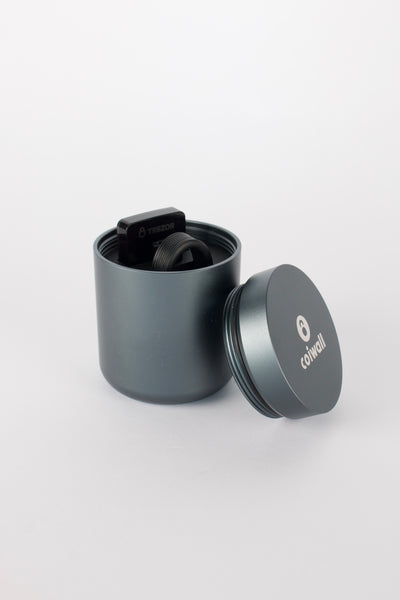
Use a hardware wallet as your base. A Trezor Model T or a Ledger Nano X keeps your keys offline, which blocks many common theft paths. Create a separate hot wallet for testing and minting. Keep only small amounts there. When you approve a new contract, set a limited spend, not unlimited. Periodically clean approvals with Revoke.cash, Etherscan Token Approvals, or DeBank. Watch for blind signing prompts. If the text looks odd or unreadable, stop. Phishing is rampant during hype. Bookmark real sites. Type URLs yourself. Never import a seed phrase on a website, ever. That one rule saves accounts.
Quick note on connections
WalletConnect is handy, but treat every connection like a permission slip. When you are done, disconnect. If a site keeps asking for fresh signatures, that is a clue to bail. A tiny habit, but it prevents headaches.
NFT mints and the ape instinct
NFTs spark the same impulse. For mints, check supply, mint price, reveal timing, and royalty settings. Read the contract page on a block explorer. If there is a strange transfer lock or a function that can change metadata without guardrails, think twice. Use a burner wallet to mint, then move assets to a cold wallet vault. If gas wars heat up, set a firm ceiling. Chasing a mint with no cap can lead to big fees and a regret sandwich.
Red flags that should slow your click
- Liquidity not locked, or a deployer wallet holding most of the pool.
- Trading paused or sell function restricted without a clear reason.
- High tax on buys or sells that moves or spikes without notice.
- Anonymous team with no code history, no audits, and aggressive timelines.
- Copy contract with tiny edits and a fresh marketing push.
- Fake socials, paid shill threads, and no real community dialogue.
A 10 minute checklist before you ape
- Test a tiny buy, then test a tiny sell.
- Read token functions for pause, blacklist, or mint controls.
- Check liquidity lock status and the unlock date.
- Scan top holders. If one wallet holds most of supply, caution.
- Search X for warnings. Skim replies, not just the post.
- Look up the deployer address. Prior rugs are a loud tell.
- Set a max loss per trade and stick to it. No exceptions.
- Use a hardware wallet for storage, a hot wallet for experiments.
- Clean approvals after you exit. It takes a minute.
- Write a quick note in a journal about why you entered. It helps future you.
The softer path when the market gets noisy
Apeing is exciting. It also burns energy. A calmer path is dollar cost averaging into assets you actually understand, then keeping a small side pocket for curiosity. You get the fun without risking the core. Set alerts, not alarms. Build rules that you can follow on a sleepy Sunday and on a wild Friday night.
One last thought before you click buy
FOMO is loud, but your keys are louder. Keep them safe with a hardware wallet like Trezor or Ledger. Use a burner for mints and new contracts. Size small, test sells, and respect exits. Trends shift. One week it is a Solana memecoin sprint; another, a fresh L2 launch. The next wave will come, and there will be another chance to be early. Jump fast if you must, just bring a parachute. That balance, a little thrill with a lot of care, is how you stay in the arena.


