
A bear market can feel like a long winter. Prices drift lower. Sentiment cools. Patience gets tested. In simple terms, a bear market is a lasting downtrend where supply beats demand and sellers set the tone. In crypto, it can be sharper, louder, and strangely, more useful. You know what? It often lays the groundwork for the next move up.
Let me explain. Crypto runs on cycles. Euphoria pulls in new buyers. Excess builds. Then the pendulum swings back, and markets look for balance. If you have a steady plan, a calm mind, and solid security, you can walk through it with your stack intact.
So, what does a bear market look like?
In crypto, a bear market brings wide moves and quick mood shifts. You see lower highs, lower lows, and long stretches of boredom. Volume thins on big rallies. News feels heavy. Narratives change by the week. The crowd talks about survival, not moonshots.
Spot Bitcoin ETFs may add a new layer, but they do not erase cycles. Liquidity comes and goes. Halving tails can lag. Market makers scale back. Retail interest fades. That is the rhythm. It sounds gloomy, yet it clears noise and highlights real signal.
Why does supply beat demand for so long?
There are a few engines running under the hood. Forced sellers unwind leverage. Venture unlocks arrive. Miners sell more when margins get tight. Tax loss harvesting creates extra pressure near year end. Order books grow thin, so small orders move price. It is not personal, it is plumbing.
On the other side, buyers grow cautious. They wait for clarity, or for a better price. That gap between nervous sellers and careful buyers can stretch for months. Sometimes longer.
Survival first, positioning second
Honestly, survival is a strategy. Cash management keeps you in the game. If you have an emergency fund outside crypto, you resist panic. Then you can pick your spots with more calm.
- Set a pace. Dollar cost averaging spreads entries across time. It takes ego out of the way and cools the urge to call bottoms.
- Curate a watchlist. Track a few assets you know well. Study how they move on slow days and sharp days.
- Use alerts. Price alerts save time and reduce screen stress. Less doomscrolling, more signal.
- Pre-plan levels. Ladder orders and stick to your risk. If price touches a zone, you act. If not, you wait.
This sounds simple. It is simple. It is not easy. That is why it works.
Self custody gets real when prices fall
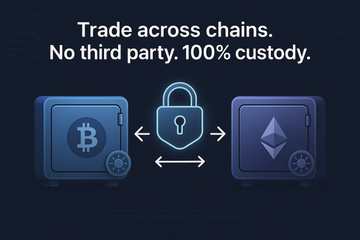
When fear rises, counterparty risk matters more. Exchanges can freeze. Withdrawals can slow. We learned that in 2022. If you hold meaningful amounts, take self custody seriously.
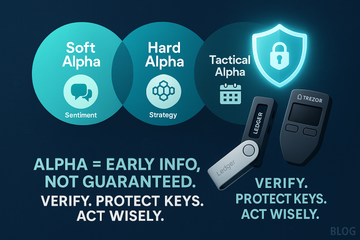
Hardware wallets like Ledger or Trezor give you control of private keys. Cold storage keeps keys offline, far from malware. Hot wallets feel fast, yet they carry more risk. Cold feels boring, but boring is safe.
Here is the thing. Security is a habit, not a gadget. Write your seed phrase by hand on paper or a metal plate. Store it in two safe places. Consider a passphrase if you know how it works. Update firmware from official apps. Triple check URLs. Never share screenshots of your recovery words. And test a small restore, so you know you can rebuild if a device fails. You do not want that first test during a crisis.
Signal in a storm, the data worth watching
Bear markets reward patience with research. You can keep it simple and still be sharp. Watch realized price on-chain for Bitcoin, it helps frame fair value zones over time. Look at long term holder supply and active addresses as a sanity check. Funding rates and open interest hint at leverage stress. Stablecoin flows can signal fresh firepower or risk-off behavior.
If this sounds heavy, do not worry. You can track a few metrics and get a feel. You are building a dashboard for yourself, not a PhD thesis.
Build during the quiet parts
When prices drift, you gain the one asset that rallies cannot give you. Time. Use it. Learn a new wallet flow. Read a few security guides from the Trezor or Ledger knowledge bases. Take a small test trade with tight risk and write down what you felt. That feeling teaches more than a thread ever will.
Developers keep shipping through downtrends. Teams refine token models. L2 networks improve throughput and fees. The best projects hold a steady drumbeat. If communications turn messy, or docs stay vague for months, that tells you something too.
What actually lasts from one cycle to the next?
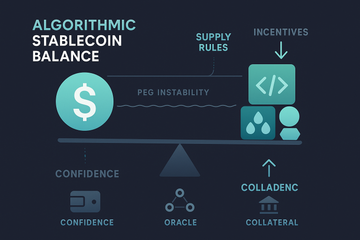
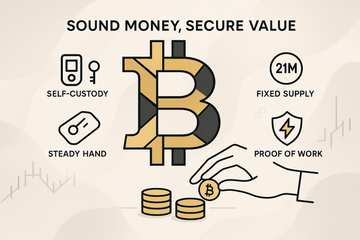
Some narratives fade. Others keep returning. Bitcoin stays at the core. Ether and its ecosystem still draw builders. Layer 2s seek speed and lower fees. Stablecoin rails keep eating more of payments and remittances. Real world asset experiments keep growing. Nothing is guaranteed, yet strength tends to cluster where builders keep working and users stick around.
Be careful with yield. Returns that look too smooth usually hide path risk. If a platform cannot explain where the yield comes from, it probably comes from you. Small size, clear terms, and exit plans keep you safe.
Common mistakes that hurt more in a bear
- Leverage when bored. Quiet days tempt overtrading. Fees and slippage nibble your stack.
- Chasing fast pumps. Sharp spikes often fade. If you missed it, you missed it.
- Ignoring taxes. Track cost basis and harvest rules. Small notes now save big headaches later.
- Leaving coins on exchanges. Convenience is not security. Move long term holdings to cold storage.
- No plan. If you guess each day, you tilt into stress. A simple plan beats no plan.
Entries, exits, and the patience to do nothing
Here is a small contradiction. You need rules, and you need feel. Rules protect you when emotions spike. Feel helps when the market starts to change tone. Try laddered entries near key levels. Pair that with fixed position sizes. Consider rebalancing when positions grow beyond your comfort. Take partial profits into strength, not into weakness. Leave some to run, but know your final exit.
Dollar cost averaging still shines here. It turns time into a friend. You stop waiting for the perfect price. You simply stick to a calendar and let volatility work for you, not against you.
How bear markets often end
They end quietly. Not with fireworks. You see higher lows, then a breakout, then a retest that holds. Volume returns. Narratives crisp up. The crowd shrugs, then leans in. Later, new highs pull in late buyers. The story repeats with a new cast and some old jokes.
Seasonally, crypto has seen strength after long consolidations and after halving events, yet timing is tricky. Macro still matters. Rates, liquidity, and policy can speed or slow things. That is why risk controls travel with you through every season.
Practical checklist for the long winter
- Safety. Self custody set up, seed secured, test restore completed.
- Plan. Clear buy levels, DCA schedule, max drawdown you accept.
- Tools. Price alerts, a simple tracker, and notes on each position.
- Education. One article or video per week from credible sources. Keep it steady.
- Life balance. Walks, workouts, and sleep. Clear heads trade better.
You know what? A bear market can be a gift in disguise. It asks you to slow down. It asks you to protect what you built. It asks you to learn the dull parts that keep you safe when things get exciting again.
None of this is financial advice. It is a way to keep your footing while prices wobble. Markets will move on their own schedule. You control your risk, your security, and your education. That is enough power to matter.
When the next run comes, you will not scramble. Your coins will sit where they should, safe on a Trezor or Ledger. Your plan will be on paper, not in your head. And your future self will thank you for being steady when it felt hardest.
Winter teaches. Spring rewards. Stay ready.